Sylvia, beautiful thing,
were you tired of the mask?
tell me: how have you been?

Sylvia, dangerous thing,
glove those flammable hands;
you burned yourself
before the world could.

nine matches gone,
the knife too familiar.
you’re caught now—
a lotus blooming red,
a body drunk on its own heat,
spoiling from the inside.

Sylvia, entropy in a sundress,
no room for four ghosts
in the manor garden—
the lightning-scarred peach tree
does not want to greet us.

Sylvia, you boarded a freight train
and found it crumpled like a toy,
a paperweight sinking,
wrapped in satin rot
under a deaf sky.
do you remember how to pray?

Sylvia, eating your own hands,
gripping briar, wanting more—
you are sick,
a dead wasp stuck in a fig.

you wanted a confessional;
now you’re all quiet.

Sylvia, the violent and volatile,
you and i,
the brightest smile.
malalai khan
poetry & thought
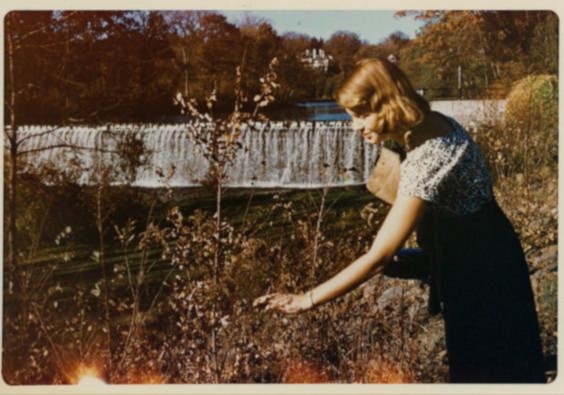
red lotus
One response to “red lotus”
-
This is a haunting and beautifully written piece! A splendid poem from a wonderful poet. Pardon me but I feel like writing a review of it: The way you address sylvia plath feels intimate and unsettling at the same time, like a conversation that shouldn’t be possible but still happens. The imagery is especially striking—lines like “entropy in a sundress” and “a dead wasp stuck in a fig” really stay with you. Although I must confess, I had to open the dictionary for a word or two. There’s a strong sense of control in the tone, and the repetition of “Sylvia” gives it a rhythm that feels almost obsessive in a way that suits the subject perfectly. The first verse of the first two stanzaz ending with “thing” gives a perfect rhyme. I think the poem also quietly echoes parts of her life, especially the emotional turbulence around her relationship with ted hughes(I don’t even know why she fell for that guy), which adds another layer to the sense of unraveling and isolation in the poem. I believe at times the imagery feels so dense that it slightly overwhelms the meaning, but it also builds that suffocating atmosphere, so it works more often than not. The ending is interesting too, particularly the shift toward “you and I,” though it feels like it could be pushed just a bit further—just a little bit—for an even sharper impact, although that’s my personal opinion; I’m not a very good poet to be honest. Overall, this is a powerful and memorable poem with a distinct voice and some genuinely standout lines. It left me wondering—what could have compelled her to make that final choice? Was it ted? Someone else? What about her children? How can a writer of her thought and caliber do such a horrendous thing? But then again… So did Woolf. I don’t know if this particular act of self loathing and harm was common in women artists of the time or men too. Neverthless, great job ملالئ! Amazing as always.
LikeLike

 malalai khan
Dare to disturb the universe?